
Santa Cruz County is not one lifestyle. It is coast, city, mountains, commute towns, and working agricultural land within one county.
If you are relocating, start with daily life. Commute, schools, beach access, fire risk, insurance, and budget change by area. The right place depends on the week you actually live, not the weekend you visit.
Quick Answer: Where People Tend to Fit
Santa Cruz city fits buyers who want city access, UCSC, surf, older homes, and walkability. Capitola, Live Oak, Pleasure Point, Aptos, and Soquel fit buyers who want more beach or village access. Scotts Valley fits many commuters and school-focused buyers. The San Lorenzo Valley fits buyers who want redwoods and privacy. Watsonville and Corralitos fit buyers who want south county value, working land, or more space.
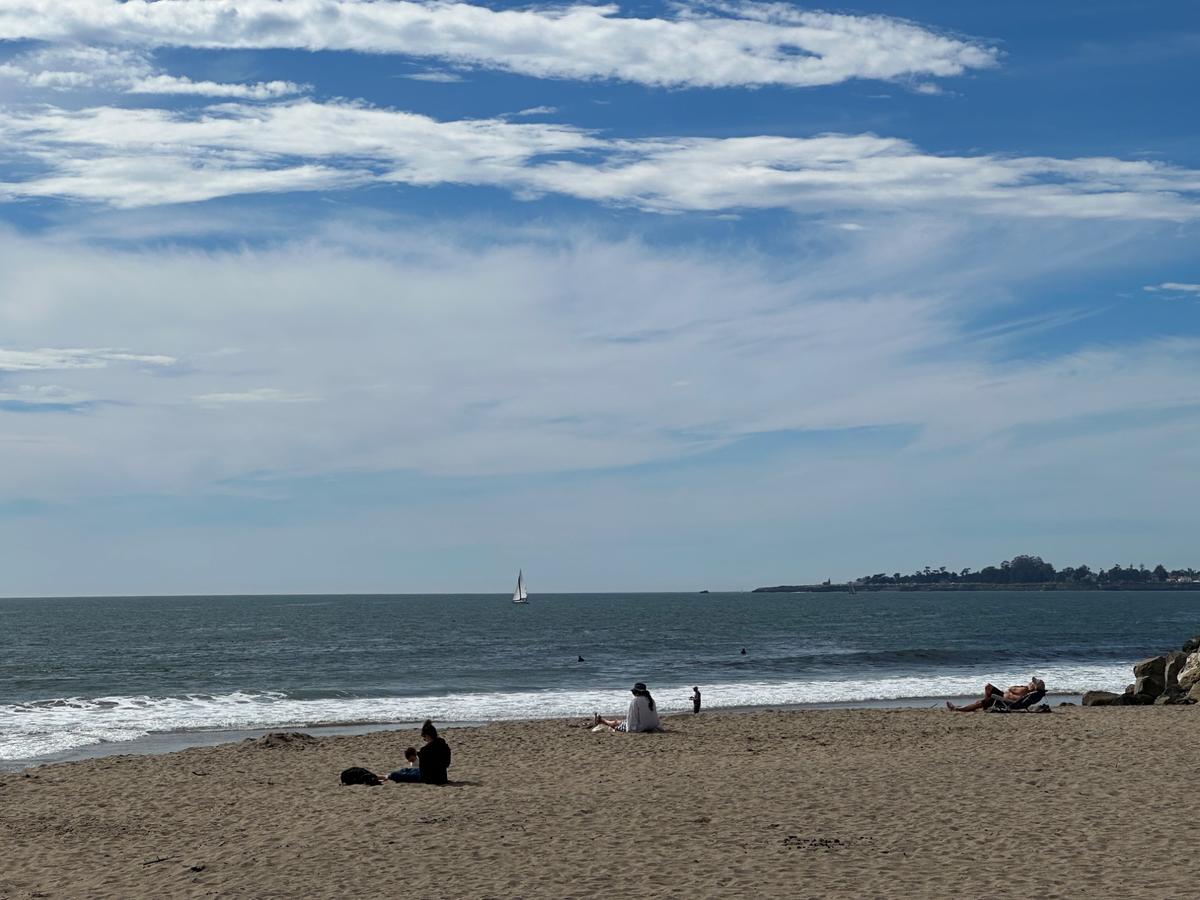 Moran Lake Beach, Live Oak, Santa Cruz, California
Santa Cruz City: Coast, UCSC, and Older Homes
Santa Cruz city is the cultural, commercial, and real estate anchor of Santa Cruz County. It is a university town, surf town, and small city.
The presence of UC Santa Cruz gives the city intellectual energy and a progressive character that shapes everything from local politics to the restaurant scene. The coastline delivers world-class surf at Pleasure Point and Steamer Lane, state beaches within walking distance of residential neighborhoods, and redwood hiking trails accessible from the city limits.
Daily Life in Santa Cruz City
The Westside is surf-oriented and close to Natural Bridges State Beach and Wilder Ranch State Park. Downtown Santa Cruz is walkable, with independent shops, restaurants, and a farmers’ market. Seabright and the Harbor offer coastal living with beach access and a neighborhood feel. Pleasure Point prices surf access, bluff position, and East Cliff proximity.
The commute from Santa Cruz city to Silicon Valley via Highway 17 is a daily reality for many residents. It can be slow, crowded, and difficult in bad weather.
See Santa Cruz city listings and neighborhood details
 The view from the bluff at Pleasure Point, Santa Cruz, California
Mid-County: Capitola, Aptos, and Soquel
Capitola, Aptos, and Soquel offer beach access, village centers, schools, and redwood access, but they are not the same market.
Stretching south and east of Santa Cruz city, mid-county offers a quieter, more residential version of the coastal lifestyle. Each community has a distinct identity.
Capitola
Capitola is built around the Village, Soquel Creek, the wharf, the Esplanade, and beach access. Buyers should check flood history, parking, HOA health, and rental rules.
Aptos
Aptos is more spread out, from Seacliff and Rio del Mar to Aptos Village, the hills, and homes near the Forest of Nisene Marks State Park. Buyers should confirm school assignment, commute, flood zones, septic, drainage, and access roads by exact property.
Soquel
Soquel sits inland on the mountainside of Highway 1. It has a village core, older homes, hillside properties, and rural edges that need land-system review.
Explore Aptos and Soquel listings
Scotts Valley: Commute, Schools, and Town Structure
Scotts Valley is the most commute-friendly community in Santa Cruz County, situated just off Highway 17 with practical access to Silicon Valley, newer housing stock, and suburban amenities not found elsewhere in the county.
Scotts Valley sits between the coast and Highway 17. Buyers look there for schools, commute position, a small town center, and more newer housing than many coastal neighborhoods offer.
For buyers who need a Silicon Valley commute, Scotts Valley is usually the first Santa Cruz County area to test. See Scotts Valley listings and neighborhood details
San Lorenzo Valley: Redwoods, Privacy, and Extra Review
The San Lorenzo Valley towns of Felton, Ben Lomond, Brookdale, and Boulder Creek offer redwoods, privacy, and lower entry prices than the coast. Buyers need to review fire risk, insurance, roads, wells, and septic.
Follow Highway 9 north from Santa Cruz and the coast gives way to redwoods, the San Lorenzo River, and small mountain towns. Felton is the easiest for access. Ben Lomond is quieter and residential. Brookdale is more secluded. Boulder Creek is farther up the valley and more forested.
Buyers considering the San Lorenzo Valley should review fire risk, insurance, wells, septic, road access, and winter conditions before writing an offer.
For the buyer who wants trees, space, and privacy, the San Lorenzo Valley can work well. The lower purchase price can be offset by insurance, maintenance, road, and utility costs. Explore San Lorenzo Valley properties
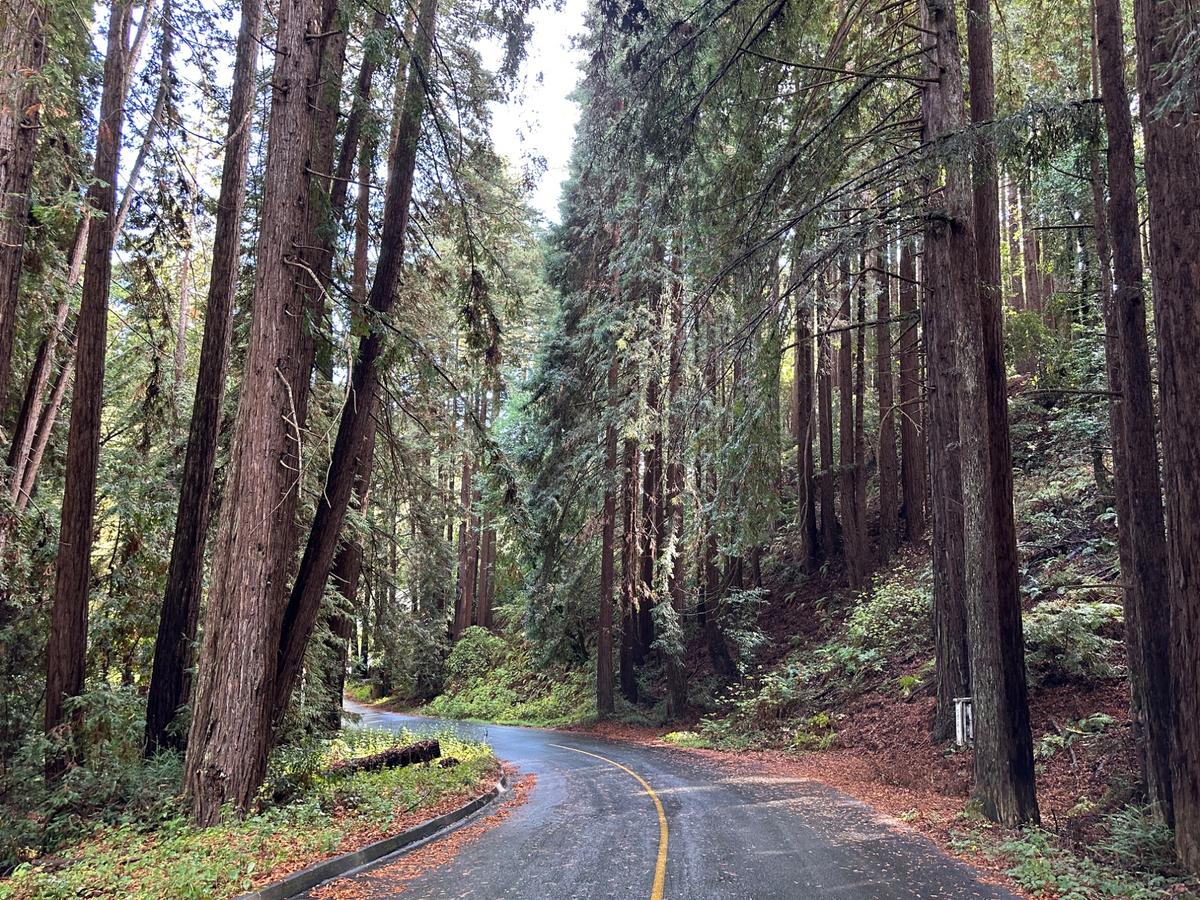 A back road through the redwoods, San Lorenzo Valley, Santa Cruz County
Watsonville and Corralitos: South County Value and Land
Watsonville is usually one of the more attainable Santa Cruz County markets for single-family ownership. Corralitos adds rural parcels, wells, septic, and land-use questions.
At the southern end of the county, the landscape opens into the fields of the Pajaro Valley. Watsonville is its center: a working city with agricultural roots, older neighborhoods, newer subdivisions, and a historic downtown.
For relocating buyers, Watsonville’s main appeal is purchasing power. A budget that struggles in Santa Cruz or Capitola can go farther here. Corralitos, just inland from the city, adds rural parcels, small farms, orchards, and more land-system review.
The Pajaro Valley is less visitor-oriented than the north county coast. It is a working agricultural area, and that is part of the fit. View current Watsonville and Pajaro Valley listings
Commute, Schools, and Insurance
These three issues decide a lot of relocations.
Commute. Highway 17 is the main route to Silicon Valley. Scotts Valley usually starts in the strongest position. Santa Cruz, Capitola, Aptos, and the San Lorenzo Valley can work, but the drive should be tested during the real commute window.
Schools. School boundaries do not always match town names. Confirm the assignment by exact address before writing an offer.
Insurance. Fire, flood, bluff, and older-home issues can affect cost and availability. This matters most in the San Lorenzo Valley, rural Aptos and Soquel, coastal-edge homes, and low-lying beach areas.
Choosing the Right Part of Santa Cruz County
The useful question is not which part of Santa Cruz County wins on paper. It is which part fits how you actually want to live. A buyer who needs a Silicon Valley commute and school fit will weigh things differently than someone retiring from the Bay Area in search of quiet and trees.
All five zones of Santa Cruz County share the same broad county, but they do not share the same daily life.
The differences between them matter: school districts, fire zones, commute routes, flood maps, insurance, land systems, and block-level pricing. Those details decide whether a place fits.
“The right community is not the most expensive one. It is the one that fits how you actually want to live.”
Keep going
- Santa Cruz real estate guide 2026: market context, buyer strategy, seller preparation, and area comparisons.
- Santa Cruz County school districts buyer’s guide: why exact-address checks matter before you write an offer.
- Buying in a fire zone: insurance, defensible space, and mountain-property review.
- Browse all Santa Cruz County areas: compare area pages side by side.
Relocation FAQ
What is it like to live in Santa Cruz County?
Living in Santa Cruz County means choosing between coast, city, mountains, commute access, and south county value. Daily life changes sharply by area, so buyers should compare routine, budget, schools, insurance, and commute before choosing a town.
Is Santa Cruz County a good place to relocate from the Bay Area?
Santa Cruz County can work well for Bay Area relocators who understand the tradeoffs. Scotts Valley helps with a Highway 17 commute. Santa Cruz, Capitola, Aptos, and Pleasure Point offer more coastal access. The San Lorenzo Valley and south county can offer more privacy or lower entry prices, with more property review.
Which Santa Cruz County area works for commuting to Silicon Valley?
Scotts Valley is usually the first area to test for a Silicon Valley commute because it starts closer to Highway 17. Santa Cruz, Capitola, Aptos, and the San Lorenzo Valley can work for some buyers, but traffic, weather, and route choice matter.
What should I know before moving to the Santa Cruz Mountains?
Before moving to the Santa Cruz Mountains, review fire risk, insurance, road access, wells, septic, trees, winter storms, and emergency access. The setting can be worth it, but the ownership costs are different from the coast.