
A client of mine is renovating. During one of our conversations, the subject turned from real estate to interior materials, specifically, what to put on the walls. That led me to Designtex, a New York company that’s been making textiles and wall coverings since 1962.
Their first product was a flame-retardant drapery designed for the Seagram Building on Park Avenue, developed at the request of architects Mies van der Rohe and Philip Johnson.
What Is Designtex?
Designtex is a contract materials company. That means their primary customers are architects, interior designers, hotels, hospitals, and commercial developers, not homeowners walking into a showroom.
Because they serve commercial clients, their wall coverings are built to standards for durability, fire resistance, and indoor air quality that most consumer brands don’t have to meet. Homeowners can use their products, but you will need to go through a designer or a local representative to place most orders.
Their catalog covers wall coverings, upholstery, panel fabrics, drapery, and a few specialty products that are unusual. More on those below.
The Wall Coverings
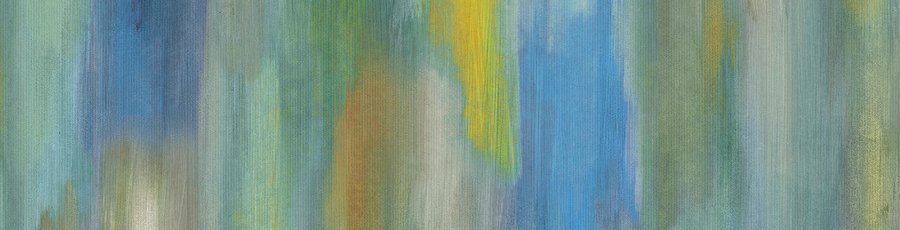
This is where Designtex stands out for residential use. They carry over 80 patterns ranging from $22 to $74 per yard, with widths from 50 to 63 inches. That’s contract pricing, competitive for the quality.
A few patterns worth noting:
Borealis ($56/yd). A painterly pattern that suggests layers of downward brushstrokes. It’s digitally printed on Designtex’s DNA substrate, which is 50% bio-based cellulose, 40% latex, and 10% polyester, with no vinyl. Originally aimed at wellness and hospitality spaces, but the calm palette works in any room where you want to slow things down.
Plaster ($56/yd). Replicates the look of hand-trowelled plaster, or depending on the light, cork or bark. Nine colorways, smooth surface, easy to clean. Also on the DNA non-vinyl substrate. A practical answer for rooms where real plaster isn’t an option.
Wannabe / Wannabe Stripe / Wannabe Rib ($54–$62/yd). A felted textile wall covering made from 100% recycled plastic bottles. Three versions, multiple colorways.
Grasscloth, Cork, Thatch ($22/yd). Natural-look textures at the lower end of the price range. Clean, useful, and easy to work with in traditional or transitional interiors.
Inkwash ($74/yd). The top of the wall covering line. A loose, watercolor-style pattern with depth. For a study, bedroom, or anywhere you want something that looks like it took a while to make.
The Non-Vinyl Substrate
Most commercial wall coverings are vinyl-backed. Designtex’s DNA substrate is not. The composition is 50% cellulose, 40% latex, and 10% polyester. It gives a smooth surface that cleans easily while avoiding the off-gassing and environmental concerns associated with PVC. Most of the digitally printed patterns in their line use this material, and it carries SCS Indoor Advantage Gold certification for low VOCs.
For a bedroom, a child’s room, or anywhere you spend significant time, that matters.
Beyond Wall Coverings
Designtex’s catalog extends to upholstery, panel fabrics, and drapery, all useful for home renovation projects that involve custom furniture or window treatments. They also have two products that are unlike most residential materials:
Casper™ Cloaking Technology. An architectural film applied to glass walls that makes LED screens appear blank to anyone looking in from outside, while leaving everything else fully visible. Designed for conference rooms and open offices, but worth knowing about for a home office with glass walls or sidelights adjacent to a street. It works by selectively filtering the light wavelengths emitted by LED displays.
CELLIANT® Upholstery. A clinically demonstrated textile that converts body heat into infrared energy. The FDA has classified CELLIANT products as general wellness devices. Used in upholstery for seating in healthcare and senior living, but the technology applies to any chair you spend time in.
Digital Studio. Designtex offers an online tool that lets you customize patterns in any color or scale, then have them digitally printed on their substrates. It’s the kind of thing that used to require a large commercial order. Now it’s available for smaller projects.
How to Access Designtex as a Homeowner
Designtex sells primarily through representatives and to the trade. Most orders are placed through an interior designer or architect who has an account.
That said, they offer free samples directly through their website at shop.designtex.com. Order samples before committing to anything. The colors and textures read differently in person than on a screen. Their site also includes a wallcovering calculator to estimate yardage once you know your dimensions.
If you’re working with a designer, ask them to pull Designtex samples. If you’re handling the renovation yourself, contact Designtex directly to find a local representative who can help with pricing and ordering.
Pricing ranges from $22 to $74 per yard depending on the pattern. For a standard accent wall, expect to use somewhere between 8 and 15 yards, depending on ceiling height, pattern repeat, and waste factor. The calculator on their site will give you a working estimate.
Worth the Attention
I’ve been in hundreds of homes over 35 years. The materials on the walls and under the upholstery affect how a room feels, how it holds up, and how a home is received by buyers. Designtex makes things that last and don’t compromise on what goes into them.
Not every wall needs a wall covering. But if you’re renovating and you want to do it once and do it well, this is a brand worth looking at. If your project is in a coastal zone, permitting requirements are worth understanding before you commit to any structural changes.
If you have questions about home improvements that add value before a sale, or you’re thinking about what a renovation might do for your asking price, I’m happy to talk it through.
Keep going
- Selling in Santa Cruz County: preparation, buyer perception, disclosures, and launch strategy.
- Home valuation: understand which improvements may affect price.
- Coastal Commission remodel guide: permitting context for homes near the coast.
- Santa Cruz County closing costs: costs to understand before planning a sale.
Frequently Asked Questions
Can homeowners buy Designtex products? Yes, with some steps involved. Designtex sells primarily through the trade, including interior designers, architects, and commercial dealers. Homeowners can request free samples directly from the website and then work with a designer or local representative to place an order.
Are Designtex wall coverings suitable for residential use? Yes. Most of their wall coverings meet or exceed commercial standards for durability, fire resistance, and indoor air quality. They work in homes as well as hotels and offices.
What is Designtex’s DNA substrate? It’s their non-vinyl wall covering base material, composed of 50% bio-based cellulose, 40% latex, and 10% polyester. It carries SCS Indoor Advantage Gold certification for low VOC emissions and is an alternative to traditional PVC-backed wall coverings.
How much does Designtex wall covering cost? Patterns range from $22 to $74 per yard. A typical accent wall requires 8 to 15 yards depending on room dimensions and pattern repeat. Designtex provides a free yardage calculator on their website.
What is Casper Cloaking Technology? It’s an architectural film applied to glass walls that makes LED screens invisible from outside the room while leaving everything else fully transparent. Originally designed for corporate conference rooms, it has applications in home offices with glass partitions or street-facing windows.
Where can I see Designtex products? Free samples are available at shop.designtex.com. You can also use their online Visualizer to see how patterns look in a room setting before ordering.